Orlagh Dooley.
DJ, producer and label founder. Or:la has built an international career in electronic music since studying at Spirit, performing worldwide at legendary clubs and major festivals.
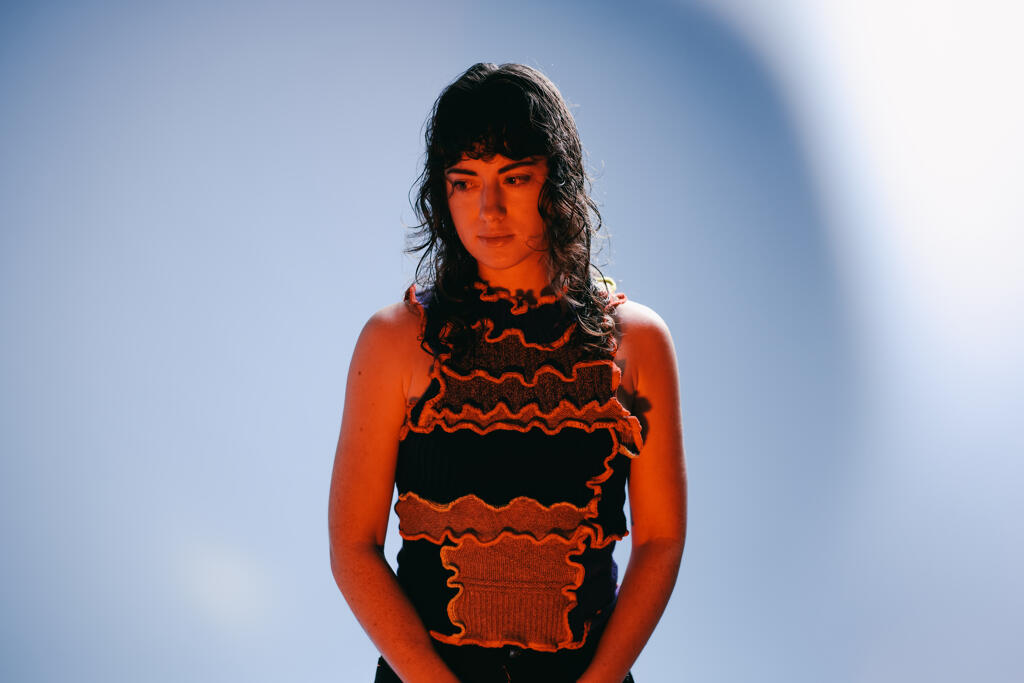
After studying Electronic Music Production at Spirit Studios, Orlagh, known professionally as Or:la, has established herself as one of the most respected names in contemporary electronic music. Originally from Derry and now based in Liverpool, Or:la has built an international reputation as a DJ, producer and label founder, known for her genre-spanning sets that blend techno, jungle, UK bass and dubstep.
Or:la has performed at some of the world’s leading clubs and festivals, secured a residency with Warehouse Project, released music on influential labels and founded her own labels, Céad and Deep Sea Frequency. Her influence on the scene was recognised in 2021 when she was named Best DJ by DJ Mag’s Best of British Awards.
We caught up with Or:la to discuss her journey into the music industry, how her career has evolved over the years, and the advice she would give to the next generation of artists and producers.
Could you tell us a bit about what you do now and how you first got started in the music industry?
I think there were a number of factors in my early teens that guided me into the music industry. I became intrigued by electronic music after going out to listen to DJ’s and hear live acts like The Prodigy which had a big impact on me.
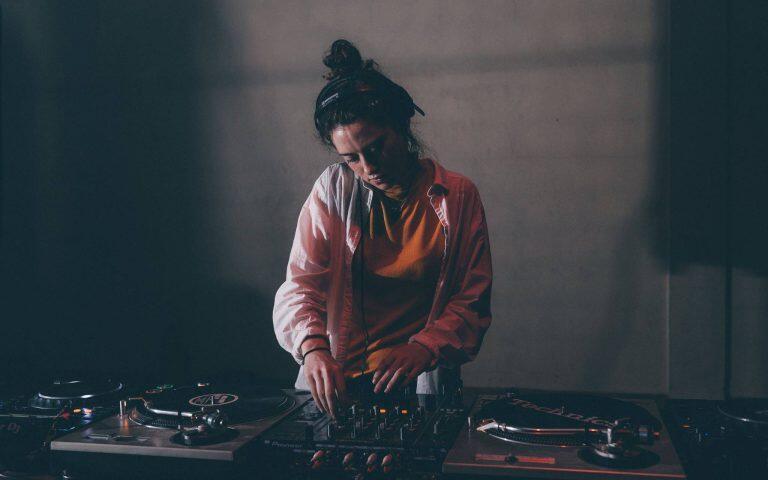
I’m grateful that I’m still working in music after quitting a boring office job in 2016. Around then I started putting on my own electronic music events, which allowed me to become familiar with CDJs and play to a bit of a crowd while warming up for the headliner.
After that, I became intrigued by producing my own music, so I made a few edits in Ableton, allowing me to get to grips with the software before eventually creating my own tracks.
My first EP arrived on Hotflush in 2016 and I’m super thankful to them for putting their trust in me back then.
What inspired you to move into DJing and music production professionally?
I became interested in electronic music during the time of the “Lo-fi” house movement. I loved how the sub genre encouraged experimentation and a DIY mentality, and the lack of rules around things like distortion which was celebrated rather than viewed as an imperfection.
All of this freedom allowed me to feel less restricted and have fun while playing around with edits I was making at the time.
What made you choose to study Electronic Music Production at Spirit Studios?
I remember being amazed by the “live room” at Spirit Studios that emulated a live venue, where you could test out your tracks on a big system.
How did you find studying our Electronic Music Production course?
I really enjoyed the EMP course.
One of the tracks that I made while studying is part of an EP I made, so I think that says a lot! The facilities can’t be beaten, and it was clear that everyone in our class had a really good working relationship with our tutor.
Genre or style was never a barrier during the course, and it was also great that there was only under ten people in the class.
Since graduating, how has your career evolved from your early days as a DJ to where you are now?
In the beginning I was saying yes to a lot more (in general). I have a better understanding of how my brain works now and what gives me energy vs what takes away my energy. I get to be more selective with where I play and travel to these days, which feeds back into my music productions and personal life too.
What have been some of the biggest moments in your career so far?
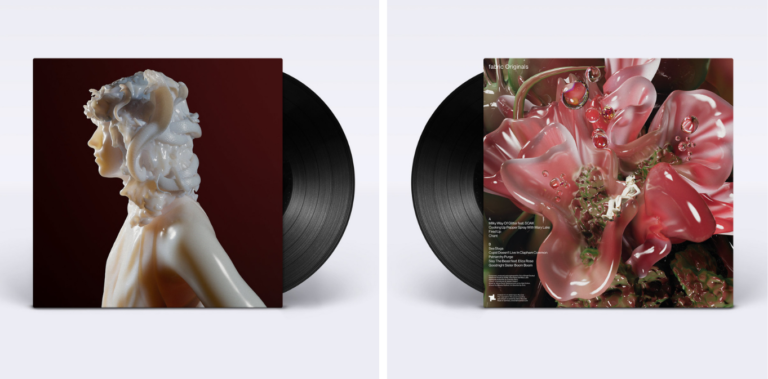
I would say releasing my debut album in 2024 and seeing DJ’s I admire playing my tracks out.
Your sets blend genres from techno and jungle to UK bass and dubstep. What continues to inspire your sound and music selection today?
Last week I was really inspired by the soundtrack to a film from 1995 called Fallen Angels. I really enjoy discovering and playing older music alongside new music.
How do you approach producing music now compared to when you first started?
I guess I’m trusting the process more and trying not to overcomplicate or force things if they aren’t coming naturally.
Through just playing around and doing little remixes of my own tracks, with no plans to release them, I find this unlocks and taps into the playful part of my brain that can induce a flow state.
I’m learning that it’s okay to discard stagnant ideas and projects that aren’t really going anywhere, because the tracks that are “meant to be” almost always arrive via that flow state and sort of create themselves. I’ve also discovered that it’s really useful to leave a gap of at least a couple of months after finishing a project before coming back to it with more objective ears. If you still like it the second time around it’s probably a winner.
You now run labels including Céad and Deep Sea Frequency. What have you learned about creating spaces and opportunities for artists?
I’ve learned that it’s important not to forget that a large majority of the tracks we play as DJs are created by other people, particularly up-and-coming producers. They are such an important part of the chain, so it’s essential that they receive the credit they deserve.
I’ve also become more aware of the obstacles that exist for artists from working class backgrounds vs artists that come from generational wealth, I feel this is something that doesn’t get talked about enough.
How important have collaboration and community been throughout your career?
Super important! Those parties I threw early in my career were made possible as we had a tight knit team who all saw the same vision.
The word community gets thrown around a lot but further down the line, when I started to become involved with queer parties and collectives I was able to fully embrace this part of me, which kick started a positive ripple effect in all other aspects of my life.
What’s something students should focus on outside of production skills while studying?
Try to do things with a DIY mentality.

What advice would you give to Spirit students hoping to build a career in electronic music?
It probably won’t happen overnight. If you have a real passion and are able to put the time and attention into your craft, this will reveal itself without you needing to flaunt it too much.
As much as social media feels important for getting your name out there, it’s not the be all and end all, and you don’t need to go “viral” or whatever. Connecting with and fostering a community where you can build things together, through a DIY approach is far more important in my opinion.
Where can we find your work online?
My socials are @orla_cd
Listen to my music on Soundcloud at – soundcloud.com/orla_cd
Listen to Or:la on Spotify
More alumni stories
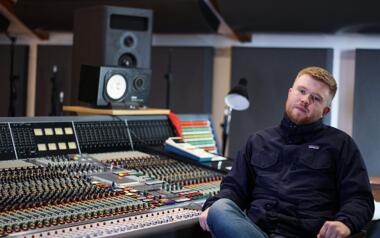
Tom Ashby
James Watson
Interested in studying with us?
Click below to start your application, register for an open day or get in touch with any questions