
 10
Jan
10
Jan
BA (Hons) Electronic Music Production and Performance.
From composition and sound design to recording, mixing and performance, this course teaches you everything you need to build a career as an electronic musician and take your sound from the studio to the stage.
Course overview
Throughout our Electronic Music Production and Performance degree you’ll explore diverse perspectives on current and emerging electronic music practice while building the creative, technical, and professional skills required to establish your voice as an artist and share it with the world.
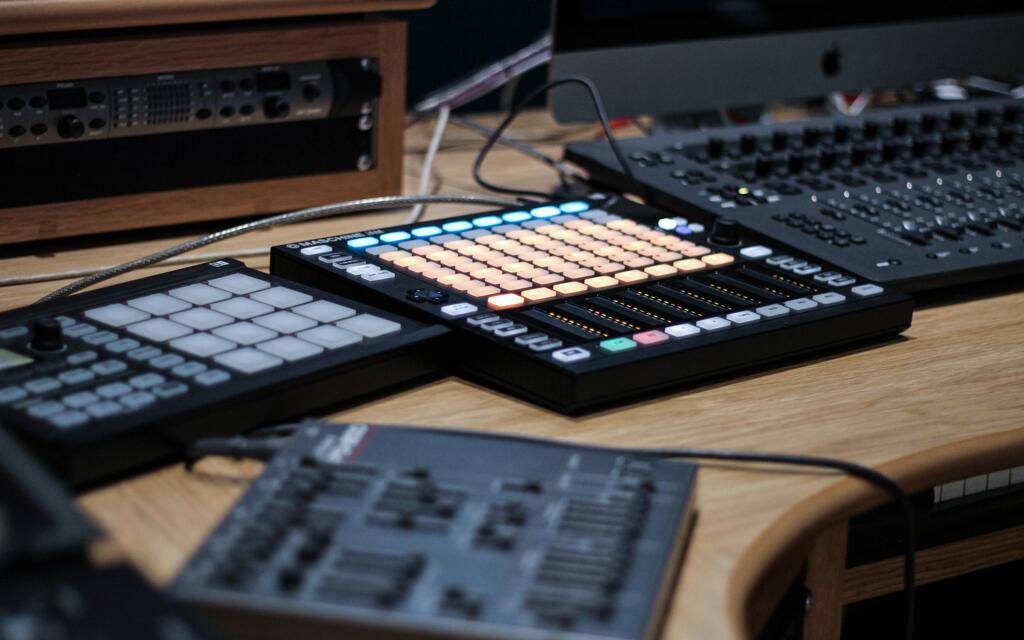
Whatever your preferred style, genre and digital audio workstation (DAW) you’ll have the creative freedom to develop your sound under the guidance of our expert tutors. With access to a wide range of music technology and software – from Ableton, Moog, Roland, iZotope, Native Instruments, and more – you have the potential to experiment with your tracks like never before.
If you are excited about studying electronic music production, performing live sets, and have the drive to take it full-time, this course is for you.
Key info
- Qualification: BA (Hons) Electronic Music Production and Performance
- Duration: 3 years full-time
- Start date: 14 September 2026
- Fees: £9,535 per year
- Entry Requirements: A minimum of 64 UCAS points at A2 or equivalent. Find out more
UCAS info for this course
-
University/college name:
University of Lancashire (Institute code: C30) -
Course:
Electronic Music Production and Performance (Course code: W383) -
Location:
Spirit Studios (Campus code: Z)
Awarded by

Have any questions or would like to tour our studios? Get in touch
Features and Benefits

Live performances
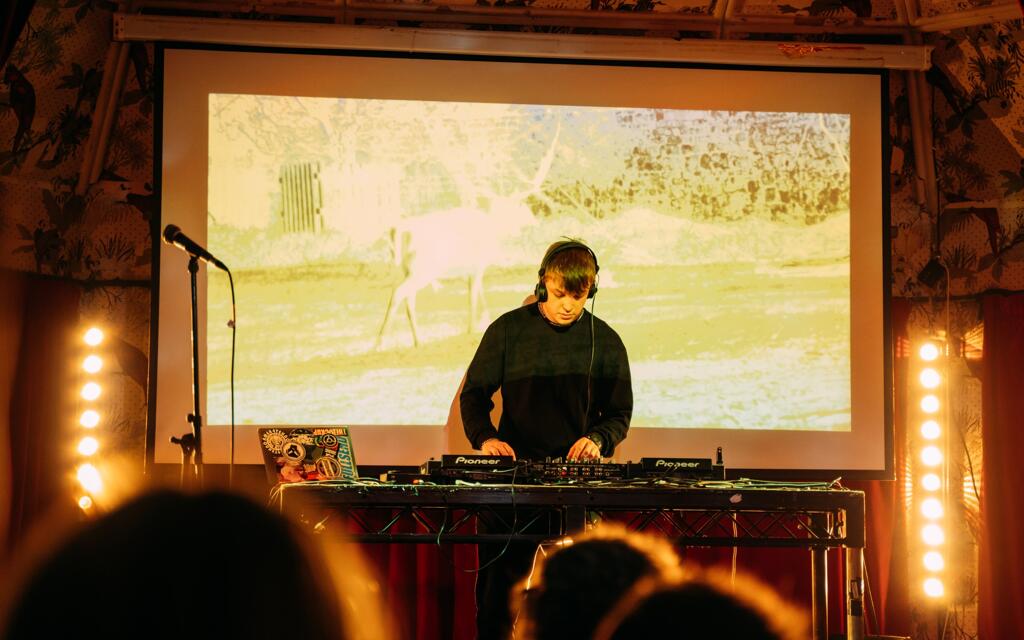
As part of your final project, you’ll have the opportunity to perform your music in one of Manchester’s iconic venues. Thanks to our city centre location and local connections, our graduates have performed at The Deaf Institute, Band on the Wall, and SOUP.

Unrivalled studio time
As an electronic music production and performance student you’ll be able to book studio time between 9am-10pm Monday to Friday, and 10am-6pm Saturday and Sunday. Our in-house technical support team are on hand throughout the day to provide one-to-one support should you need it.

Learn in our dedicated on-site venue
Our 100-capacity venue is at your disposal. You’ll have lessons here, perform live and practise your sets ready for life as a professional electronic music producer and/or DJ.

Access to purpose-built DJ booths
Like all of our other facilities, you can access the DJ booths throughout the academic year. These have industry-standard equipment from Pioneer, Technics, and Allen & Heath, along with pre-installed filming equipment ready for you to stream or record your sets.
Hear from our programme leader
Dan Valentine provides an overview of BA (Hons) Electronic Music Production and Performance:
 10
Jan
10
Jan
BA (Hons) Electronic Music Production and Performance course details
All of our courses are constantly evolving to ensure teaching and learning remain relevant and up to date. Here is the latest example of the curriculum for Electronic Music Production and Performance:
Year 1
Creative Music Production fosters the fundamental skills required to compose, arrange, and produce your music. This module encourages you to express yourself while experimenting with a range of electronic music tools and techniques, from synthesis and sampling to drum programming and building chord progressions. You will prepare a portfolio of compositions which showcase your individual style and interests before reflecting on your process in the form of a written report.
Assessment: Portfolio of compositions and report. 40 credits.
This module provides you with the skills you need to take your music from the studio to the stage. You will be encouraged to explore performative approaches to composition and electronic music production, developing a portfolio of compositions that feature hands-on, ‘live’ approaches to music making. Following this, you will be guided through the process of preparing your material for the live environment, culminating in an intimate showcase of your work in our dedicated venue.
Assessment: Composition and live performance. 40 credits
Recording Techniques introduces you to the professional studio environment, providing the opportunity to develop core skills in recording, editing, and mixing. You will learn the principles of sound and how to apply them in the studio, capturing sound with microphones, operating a mixing desk and editing using industry standard hardware and software. Through practical experimentation in our dedicated studios, you’ll learn to assess the needs of individual recording sessions and document your process in a written report.
Assessment: Signal path test, portfolio, and report. 20 credits.
Electronic Music Contextual Studies explores the cultural, technological, and social context for key developments in electronic music practice. You will be encouraged to consider diverse historic and contemporary perspectives on the discipline and conduct independent research into the music and artists that inspire you. In addition to developing a greater understanding of the music you create, you will advance essential skills in research, analysis, and academic practice.
Assessment: Presentation and essay. 20 credits.
Year 2
Introducing you to more advanced creative and technical approaches to electronic music production, this module will help develop your sound design, composition, and remixing skills to create an original EP. You will have the opportunity to collaborate directly with other musicians and integrate new techniques such as modular synthesis, generative composition, and hardware effects processing.
Assessment: Portfolio and viva voce. 40 credits.
This module highlights the creative and technical processes involved in creating industry-ready audio content, providing you with the skills to create a sound library and sampler instrument. Through these sessions, you’ll be encouraged to develop work in a specific genre and consider effective workflows for creating an original sample pack.
Assessment: Portfolio and presentation. 20 credits.
Encouraging you to collaborate with other musicians, this module explores your potential as an instrumentalist and performer. You’ll develop technical and creative skills using controller technologies as well as considering unconventional approaches to studio and performance practice, such as turntablism and dub mixing. Following your performance you’ll reflect on the collaborative process and identify the next steps in your progression in an in-person interview.
Assessment: A collaborative live performance and viva voce. 20 credits.
This module offers you the chance to conduct a self-directed investigation into a research topic that aligns with your interests. You will have the opportunity to explore a hands-on approach to research, grow your knowledge base, and refine the academic skills that are critical to undergraduate success.
Assessment: Research project. 20 credits.
Working to a live client brief, you’ll develop a strategy to achieve the goals and requirements of a commissioning client. Assignments in this module will encourage you to think critically about your work and use the skills and knowledge you have gained on the course to create a product that meets specific criteria;projects undertaken within this module can be as diverse as acting as a producer or recording engineer, or creating sound effects for moving image.
Assessment: Portfolio and report. 20 credits.
Year 3
In your final electronic music production module you’ll explore diverse perspectives on composition and production that will inspire you to think differently about your approach to music making and innovate within your practice. You will have the opportunity to apply creative strategies to generate original tracks, and find your sound. You will also be encouraged to think critically about your techniques and conduct further research to put your ideas into context, building on the skills you have developed throughout your degree and share them with your peers.
Assessment: Composition and presentation. 20 credits.
This is a student-directed module which enables you to focus on your individual creative goals in the context of a ‘real-world’ project. With the guidance of expert tutors, you’ll devise a creative project and manage its launch into the public domain. Whether you create a live performance, DJ set, or score a short film, you’ll have the opportunity to share your work in an iconic venue in the heart of the city as you take your first steps into the industry.
Assessment: Major project and archive. 40 credits.
Preparing you to kickstart your career as soon as you graduate, this module will help you understand how different businesses function in the music and audio industries, and how you can find your place within it. You will be exposed to a range of career opportunities across the creative industries whilst undertaking independent research and professional development. Through completion of this module, you will gain essential skills relevant to entrepreneurship and self-employment and develop a professional portfolio that is tailored to your career goals.
Assessment: Proposal, portfolio,and report. 40 credits.
Exploring all aspects of performance, from technical requirements and sound reinforcement to lighting and live projections – you’ll create, prepare, and deliver a live electronic performance. Through this module, you’ll gain practical skills that are key in preparing you to deliver live sets that represent your creative vision, including developing industry-ready technical documentation and fully realised musical material.
Assessment: Technical specifications and live performance. 20 credits.
Teaching and learning
Teaching on the electronic music production course takes place in a variety of formats including lectures, workshops, practical demonstrations, masterclasses, peer reviews, and one-to-one tutorials. Our aim is to encourage your creative exploration and hone your technical skills, all so you’ll leave us as a confident, independent professional.
What careers will BA (Hons) Electronic Music Production and Performance prepare me for?
- ADR Mixer
- Artist
- Audio Editor
- Audio-Visual Technician
- Composer
- DJ
- Event Manager
- Mastering Engineer
- Mixing Engineer
- Music Editor
- Music Producer
- Music Production Coordinator
- Radio Broadcast Engineer
- Radio DJ
- Recording Engineer
- Recording Studio Manager
- Songwriter
- Sound Artist
- Sound Designer
- Sound Editor
- Sound Engineer
- Sound Technician
- Studio Engineer
- Composer for Moving Image
Your tutors
Tutors on our electronic music production course have a wealth of experience, with releases featured in MixMag and Resident Advisor and supported by the likes of Bicep and Björk. They’ll inspire and support you on your journey with us.
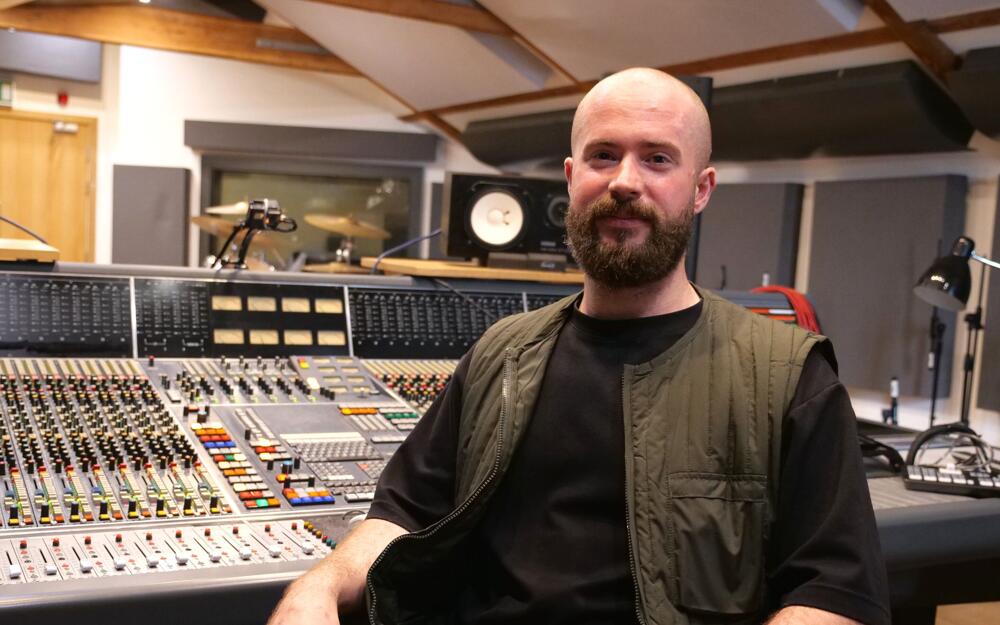
Dan Valentine
Programme Leader
Dan is an electronic musician and producer whose work has seen him release music on Manchester's Modern Love imprint, receiving support from the likes of Mixmag, RA, Björk and Bicep.
He has performed at:
- Berghain
- Boiler Room
- Village Underground
- NTS Radio
- Golden Pudel
- Cafe Oto
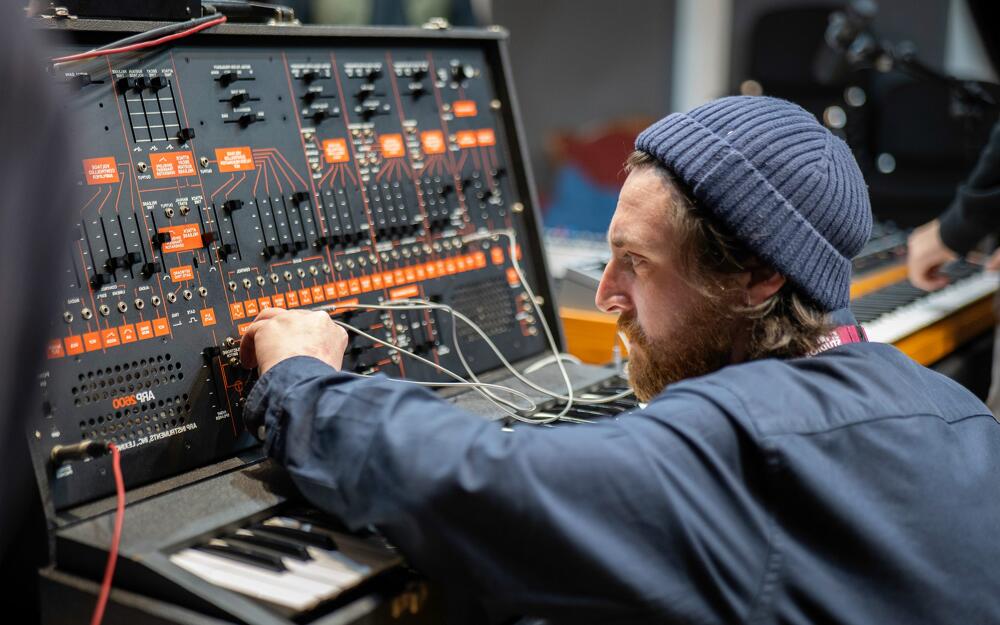
Brandon Nightingale
Tutor
Brandon is a music producer with many talents such as DJing, graphic design and occasional filmmaking.
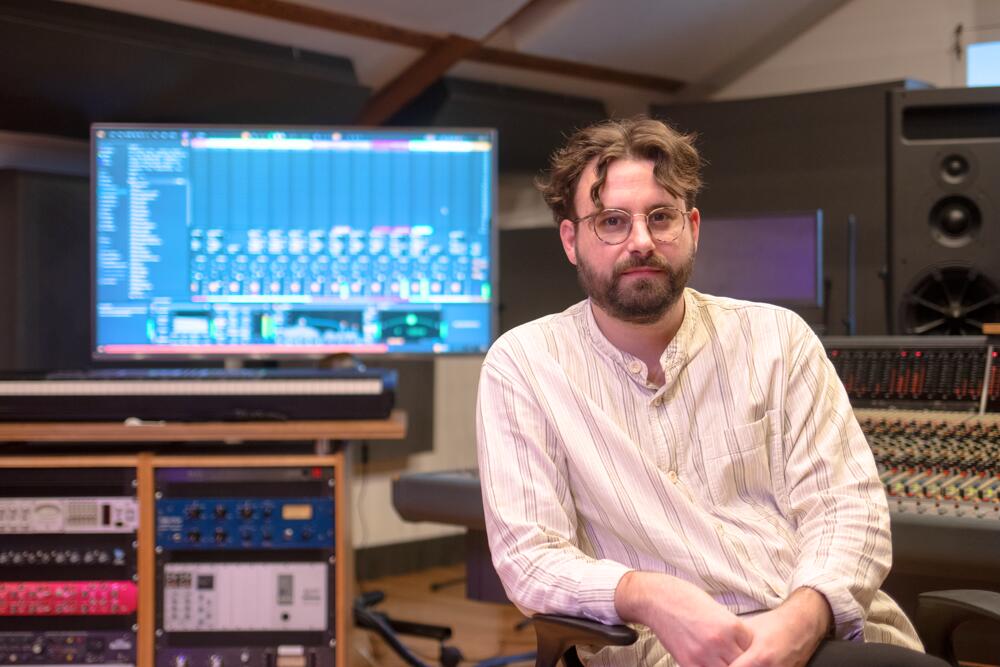
Josh Horsley
Programme Leader
Josh is a multi-instrumentalist, composer, producer, and engineer. In addition to producing records, he performs throughout Europe and produces music for film and media.
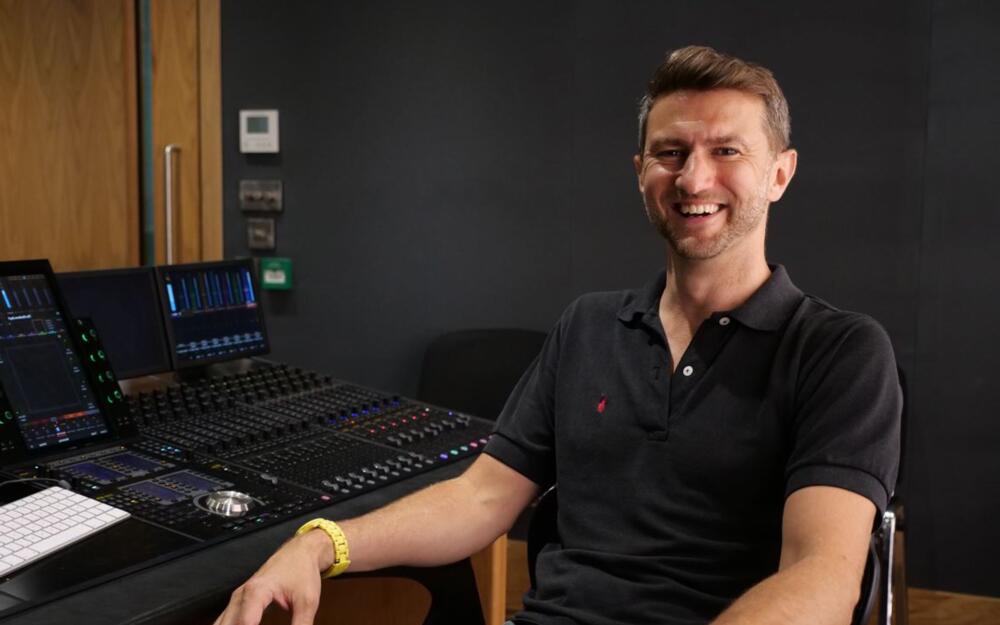
Stuart Avery
Tutor
Stuart is a studio/mastering engineer who is heavily involved in the Manchester scene. As an experienced producer, promoter and events organiser, he's been a key player in the city's cultural output.
Stuart has worked with:
- Blossoms
- Badly Drawn Boy
- KiD BRiTiSH
- Orchids
- The Irrepressibles
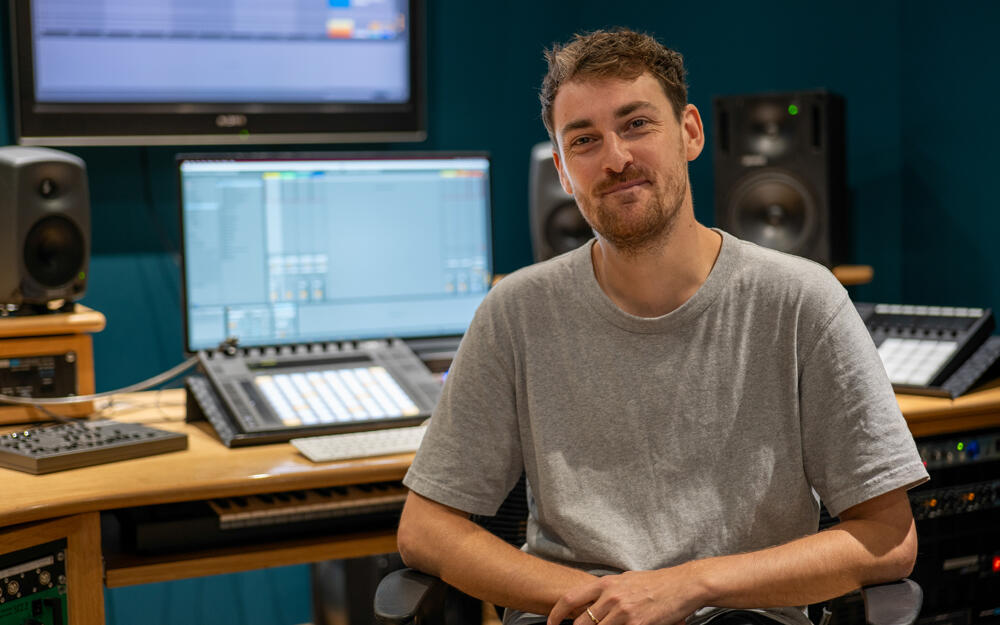
Tom Burford
Tutor
Tom has been a professional musician for over 10 years, facilitating music production and performance sessions, and working across secondary and further music education.
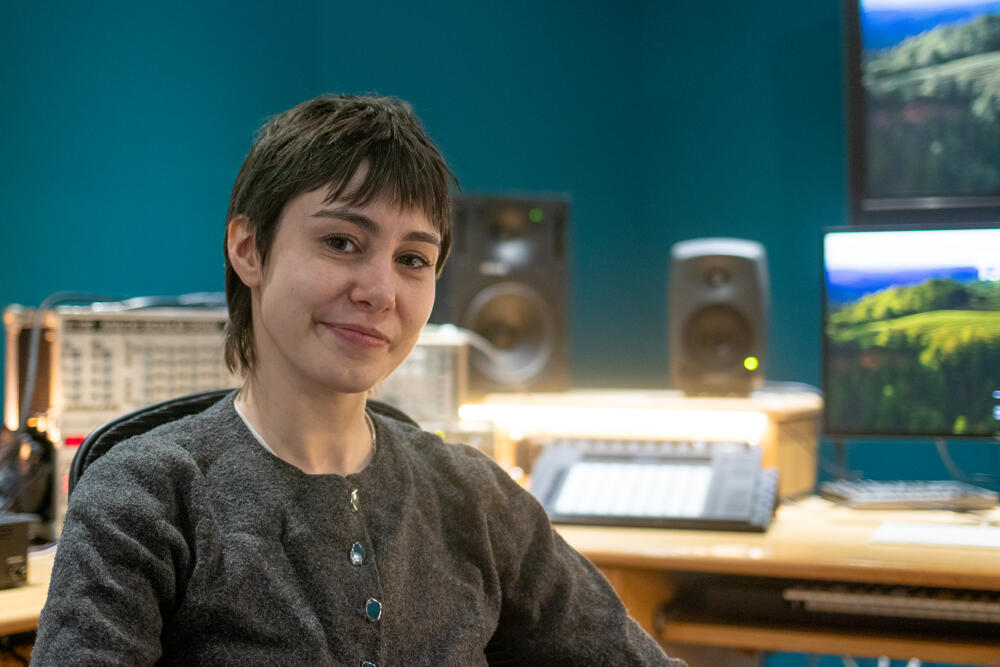
Emily Zurowski
Tutor
Emily is an accomplished audio practitioner, composer, sound designer, and performer. Experienced in live recording, mixing, editing, and engineering across a range of medias.
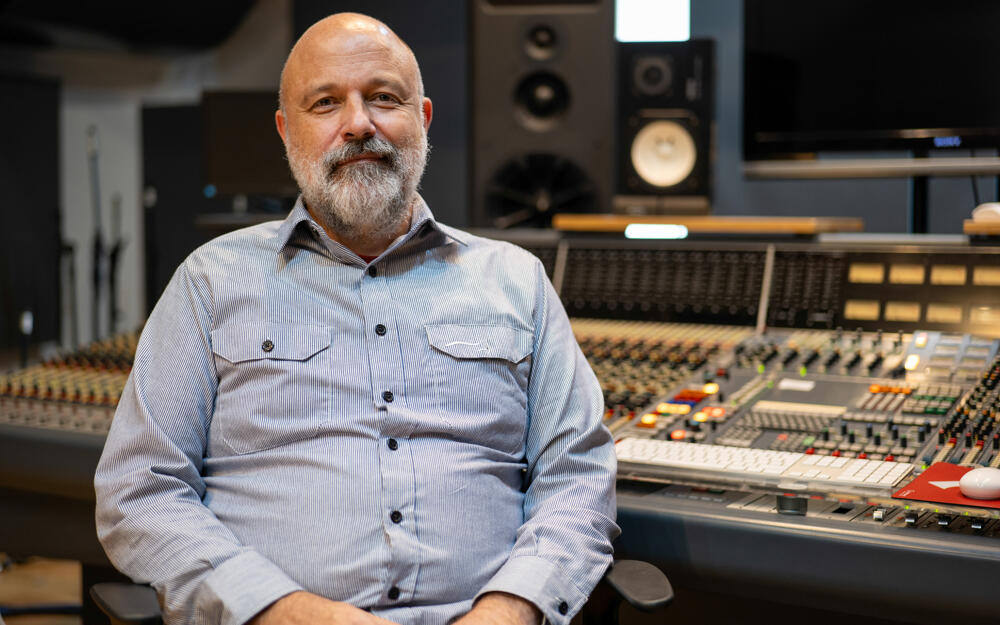
Rob Mullender-Ross
Tutor
Rob is an industry professional and well experienced lecturer, teaching the subject of sonic art around the country.
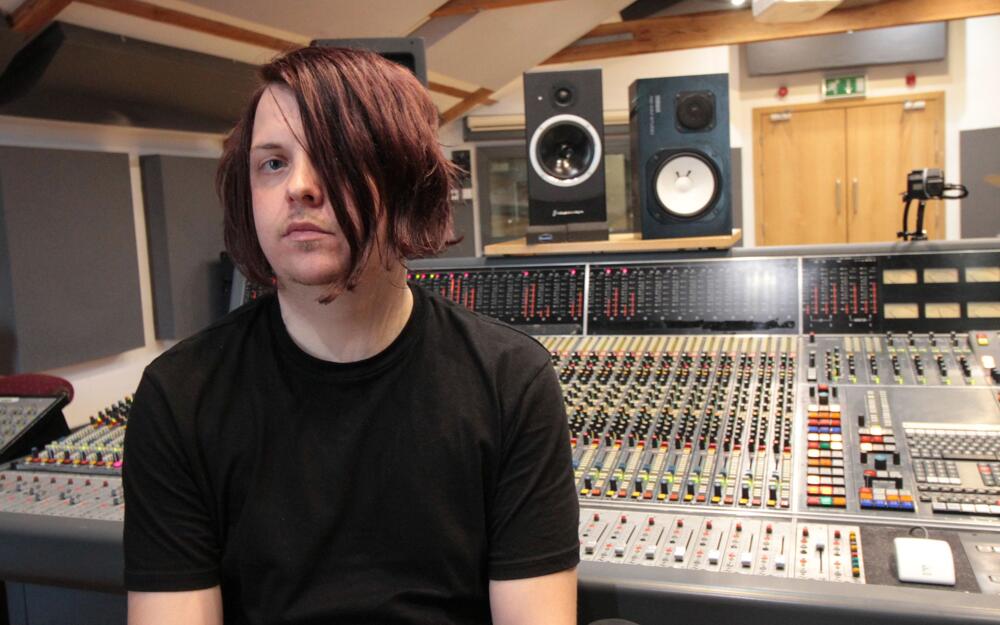
Mark Winterburn
Tutor
Mark is producer and sound engineer who has worked on UK number one and Mercury nominated singles. He joined Spirit as a student and has returned as a tutor after a successful commercial career.
He has worked with:
- Sylvia Massy
- Plan B
- James Arthur
- 5 Seconds Of Summer
- Cassia
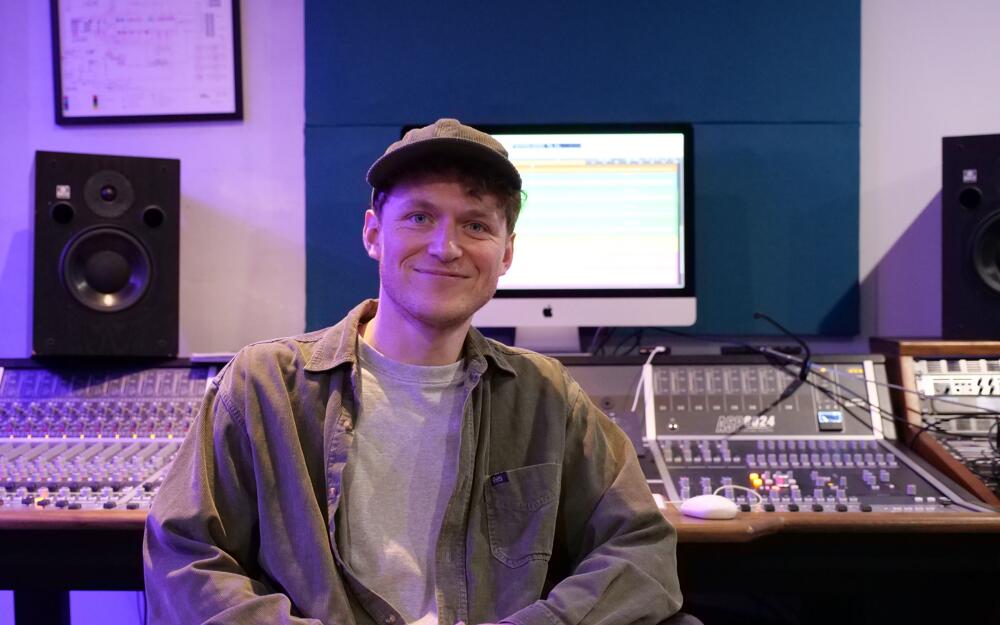
Al Atcheson
Tutor
Al is a producer and sound engineer who teaches a wide variety of modules here at Spirit, allowing him to share his expertise with his students.
Entry requirements
- 64 UCAS points at A2 or equivalent
- Grade 4 or above in GCSE Maths and English
A minimum of 64 UCAS points at A2 or equivalent. You should also have achieved Grade 4 or above in GCSE Maths and English, or an equivalent (UK equivalents include key skills level 3 or functional skills level 2). If you are an international applicant you must have UK settled status in order to study on our degree courses. Non-native English speakers require IELTS: 6.0 with no component lower than 5.5.
Fees and funding
- £9,535 per year (full-time)
- £1,587 per 20 credit module (part-time)
Tuition fees for all our undergraduate courses are eligible for government funding through Student Finance England, subject to a successful application.
How to apply
UK-based university applications are made through UCAS. You’ll need to register via ucas.com to create an application. You can then add this course as a choice to your application using the following information:
-
University/college name:
University of Lancashire (Institute code: C30) -
Course:
Electronic Music Production and Performance (Course code: W383) -
Location:
Spirit Studios (Campus code: Z)
Any questions? Speak to one of our course advisors

If you have any questions about this course, your application or if you'd like to arrange a tour of Spirit Studios, please get in touch on:
Related courses
We offer a range of music production courses, including:
Undergraduate Degree
View course
BA (Hons) Music Production
Duration:
3 years full-time
Start date:
14 September 2026
Entry requirements:
A minimum of 64 UCAS points at A2 or equivalent
Key areas:
Creating, recording, mixing and mastering
Undergraduate Degree
View course
BA (Hons) Music Production with Foundation Year
Duration:
1 year full-time foundation course, followed by 3 years full-time degree course
Start date:
14 September 2026
Entry requirements:
40 UCAS points at A2 or equivalent
Key areas:
Creating, recording, mixing and mastering
Undergraduate Degree
View course
BSc (Hons) Live Sound Engineering and Music Production
Duration:
3 years full-time
Start date:
14 September 2026
Entry requirements:
A minimum of 64 UCAS points at A2 or equivalent
Key areas:
Sound-checking, monitoring, mixing and mastering